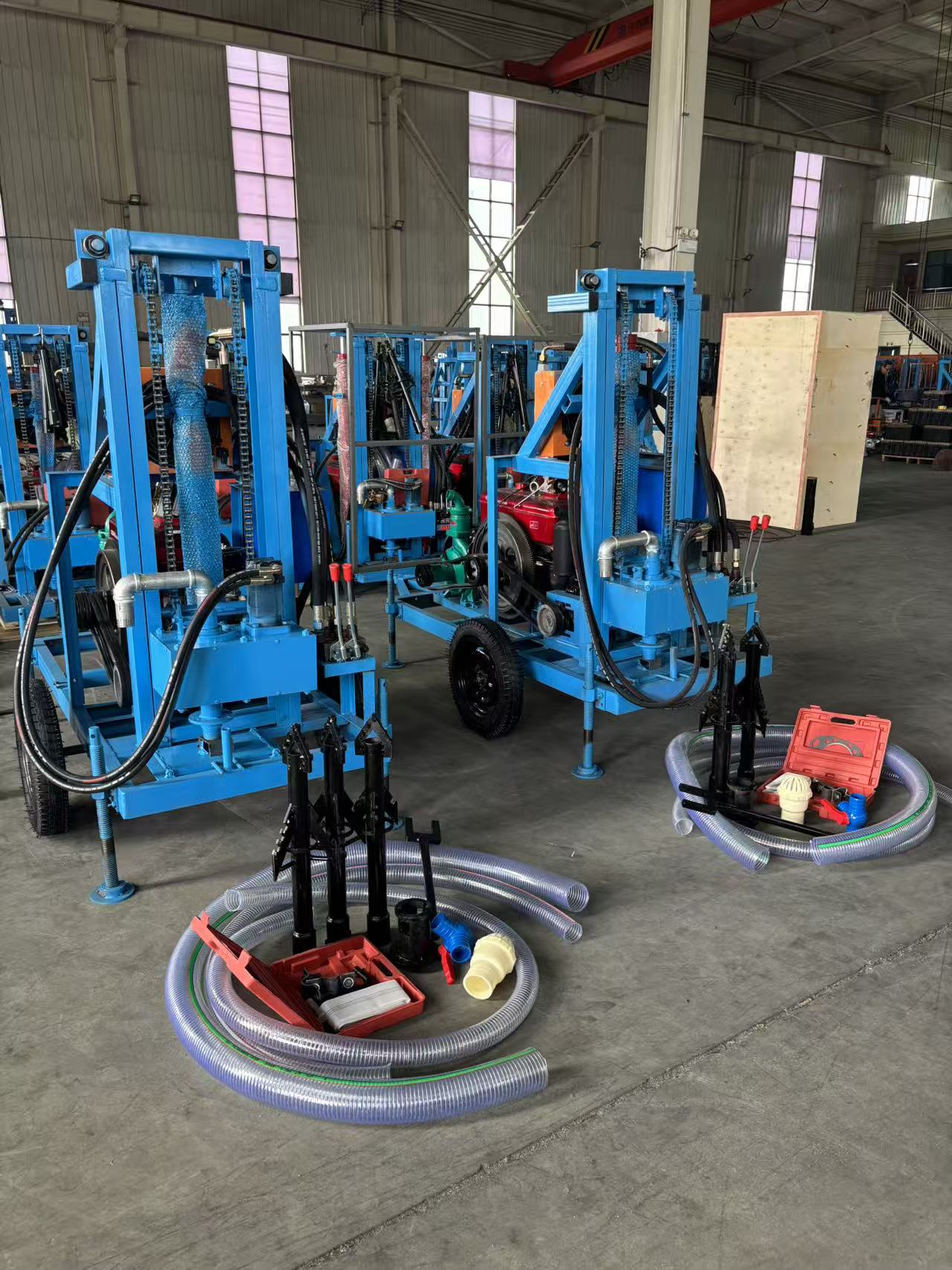
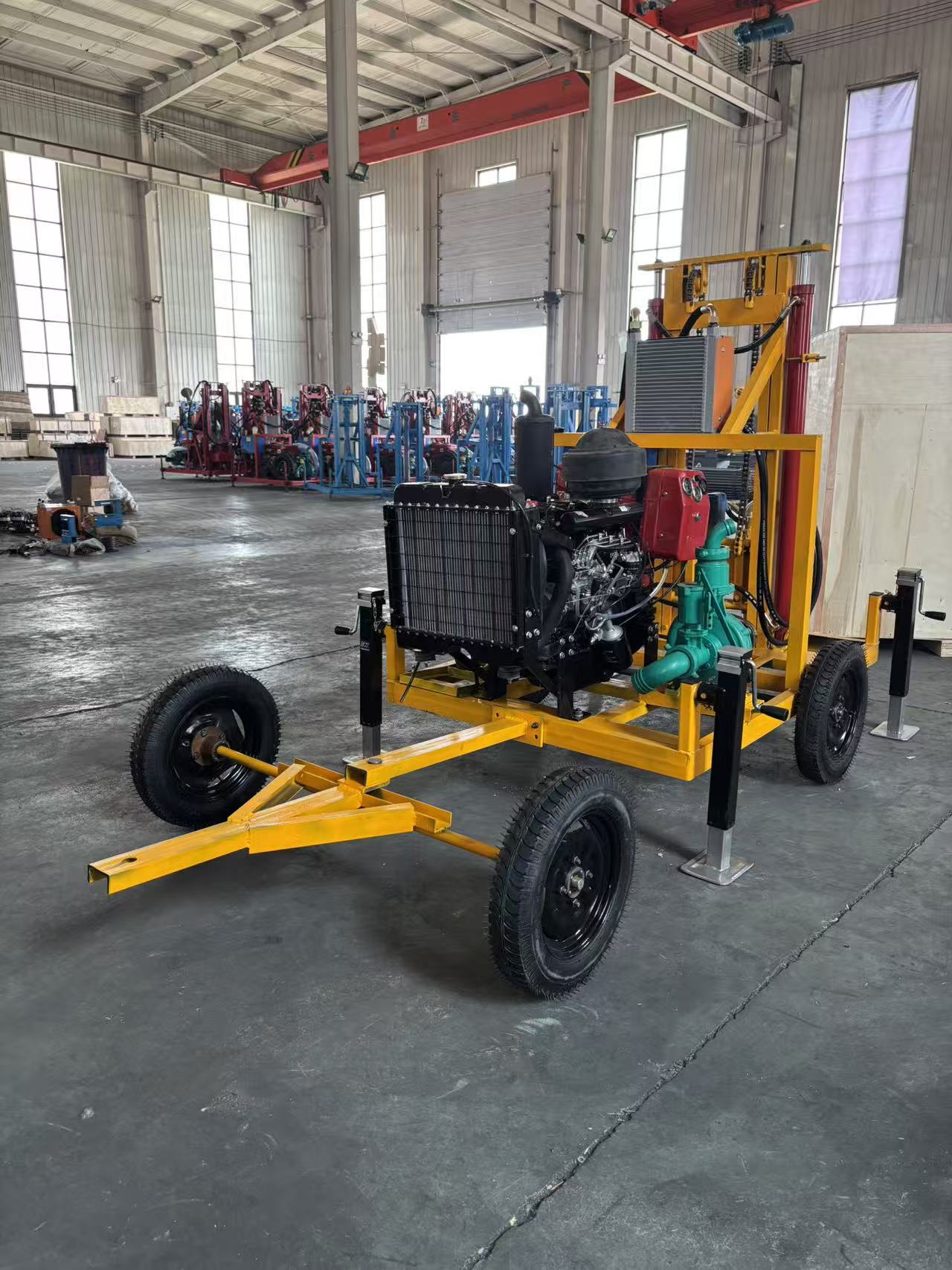
Purchasing drilling equipment is one of the most capital‑intensive and technically complex decisions a company can make. A single rig can cost anywhere from several hundred thousand to tens of millions of dollars, and the choice directly affects project efficiency, operating costs, and return on investment. Whether you are an established oilfield service provider or a new entrant in the geothermal or mining sector, following a systematic procurement process is essential to avoid costly mistakes.

Improving financial visibility

One of the most significant benefits of technology is improved access to financial information. Modern financial systems allow businesses to monitor performance, track expenses, and review key metrics in real time.

This increased visibility helps business owners identify trends, monitor cash flow, and make decisions based on current information rather than outdated reports.

This expansion reflects our ongoing commitment to helping clients navigate financial challenges, seize opportunities, and make informed decisions with confidence.

Step 1: Define Your Operational Requirements

The first and most critical step is to clearly define what you need the equipment to do. Drilling conditions vary enormously – rock hardness, hole diameter, required depth, portability, and environmental constraints all influence the right rig choice. For example, hard‑rock drilling demands high torque and robust cooling systems, while soft‑soil projects may prioritise speed and manoeuvrability. For directional drilling, you may need a rig with advanced steering capabilities and real‑time survey tools.

Beyond technical parameters, consider the project duration. For short‑term contracts, leasing may be more economical; for long‑term developments, purchasing offers better lifetime value. Also assess your crew’s skill level – advanced automated rigs can reduce headcount but require specialised training. A thorough needs analysis should be documented in a technical specification sheet that will serve as the basis for all subsequent supplier communications.

Step 2: Supplier Identification and Prequalification

Once requirements are clear, the next task is to identify potential suppliers. The global drilling equipment market includes major players like National Oilwell Varco, Caterpillar, and Chinese manufacturers such as Baoshi Machinery and Kerui. However, not all suppliers are equal. You must prequalify them based on:

· Technical capability – Do they have in‑house engineering teams for customisation? Can they provide certified performance data?
· Quality assurance – Look for API (American Petroleum Institute), ISO, or other relevant certifications. Request case studies of similar projects.
· Production capacity – Check their factory output and lead times. Some suppliers have backlogs of over 12 months.
· Financial stability – Given the high contract values, a supplier’s financial health matters. Request audited financial statements or bank references.
· After‑sales network – Do they have service centres near your project site? Can they supply spare parts quickly?

For large enterprises, especially state‑owned oil companies, a formal tender process is mandatory. This involves publishing a bid invitation, reviewing technical and commercial proposals, and conducting multi‑stage evaluations. Smaller firms may opt for direct negotiation or competitive quoting, but even then, a structured prequalification checklist saves time and reduces risk.

Step 3: Technical and Commercial Evaluation

When bids arrive, compare them on a like‑for‑like basis. Beware of suppliers who offer a lower price by excluding essential components – for instance, omitting the top drive, mud pumps, or control systems. Always request a comprehensive bill of materials and a breakdown of optional extras.

Technical evaluation should go beyond horsepower and hook load. Assess the rig’s automation level, data integration capabilities, ease of maintenance, and compatibility with your existing equipment. If you plan to drill in remote areas, consider the availability of diagnostic support – some modern rigs offer remote monitoring via satellite, which can drastically reduce downtime.

Step 4: Logistics, Customs and Shipping

International shipments of drilling equipment require careful planning. Rigs are oversized and overweight, often necessitating special permits, route surveys, and port handling arrangements. Work with a freight forwarder experienced in oilfield logistics. Ensure all export/import documentation – commercial invoice, packing list, certificate of origin, and any licensing permits – is prepared well in advance. Insurance should cover all‑risks during transit, as damage to a critical component can delay your project by months

  • Cloud-based financial systems
  • Automated reporting tools
  • Data analytics and forecasting
  • Digital compliance solutions
  • Artificial intelligence applications

These developments are helping businesses create more agile and responsive financial operations.

Conclusion

In conclusion, purchasing drilling equipment demands a structured, multi‑disciplinary approach that combines engineering, finance, legal, and logistics expertise. By defining clear requirements, rigorously prequalifying suppliers, negotiating robust contracts, and managing the entire lifecycle, you can secure a rig that delivers reliable performance, minimises downtime, and maximises your project’s profitability. A well‑executed procurement process is not just a cost centre – it is a strategic investment in your company’s operational excellence.

Leave a Reply

Your email address will not be published. Required fields are marked *