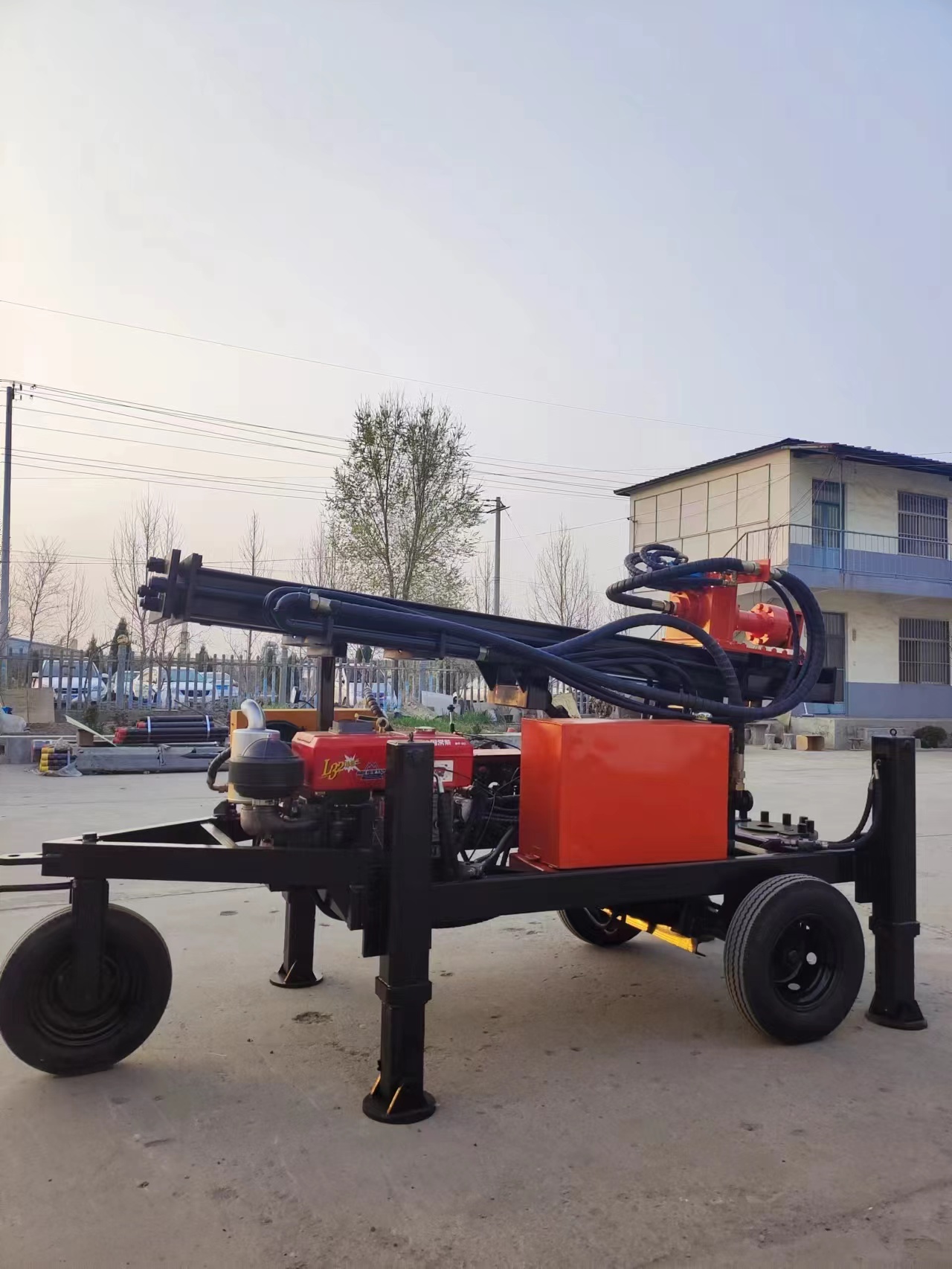
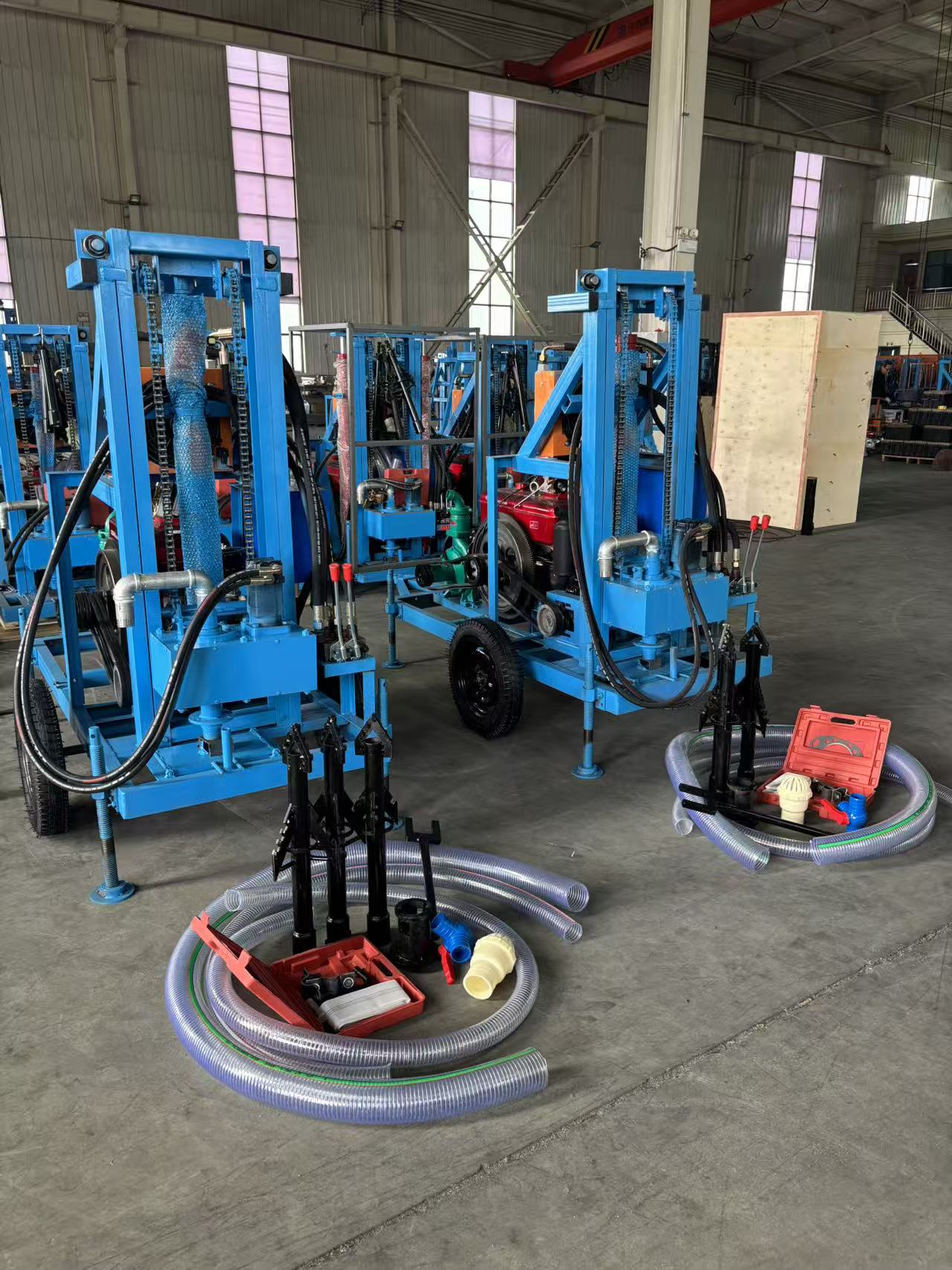
Drilling operations, whether for oil, gas, geothermal energy, or minerals, carry significant environmental risks. Spills, emissions, noise, habitat disturbance, and waste generation are inherent challenges. However, with careful planning, modern technology, and rigorous on‑site discipline, these impacts can be minimised to near‑negligible levels. This article outlines key strategies for protecting the environment while operating drilling equipment.
Pre‑Drilling Environmental Planning
Protection starts long before the first hole is spudded. A comprehensive Environmental Impact Assessment (EIA) must be conducted for every site. The EIA identifies sensitive receptors – water bodies, protected species, agricultural land, and local communities – and establishes baseline data on air quality, noise levels, and groundwater chemistry. Based on the EIA, an Environmental Management Plan (EMP) is developed, specifying mitigation measures, monitoring protocols, and contingency procedures. The EMP becomes the operational bible for the entire drilling campaign.
Site selection is equally critical. Where possible, locate the rig pad away from wetlands, streams, and steep slopes. Use existing access roads rather than building new ones. Minimise the cleared area and preserve topsoil for later rehabilitation. These seemingly simple choices reduce the project’s ecological footprint from day one.
Drilling rigs are powered by large diesel engines or gas turbines, which emit nitrogen oxides (NOₓ), particulate matter (PM), carbon monoxide (CO), and greenhouse gases. To reduce air pollution
Optimise power management – Variable‑speed drives on mud pumps and drawworks reduce wasted energy. Smart load‑shedding systems automatically shut down non‑essential equipment when not needed.

Conclusion
Operating a drilling rig in an environmentally responsible manner is not only a legal obligation but also a business imperative. Regulators, investors, and local communities increasingly demand high environmental standards. By integrating environmental thinking into every phase – from site selection to decommissioning – drilling companies can reduce risks, lower costs through waste minimisation, and secure their social licence to operate. The technologies and practices exist; the key is disciplined implementation and a culture of continuous improvement. Protecting the environment while drilling is not a trade‑off – it is smart, sustainable business.


Leave a Reply