
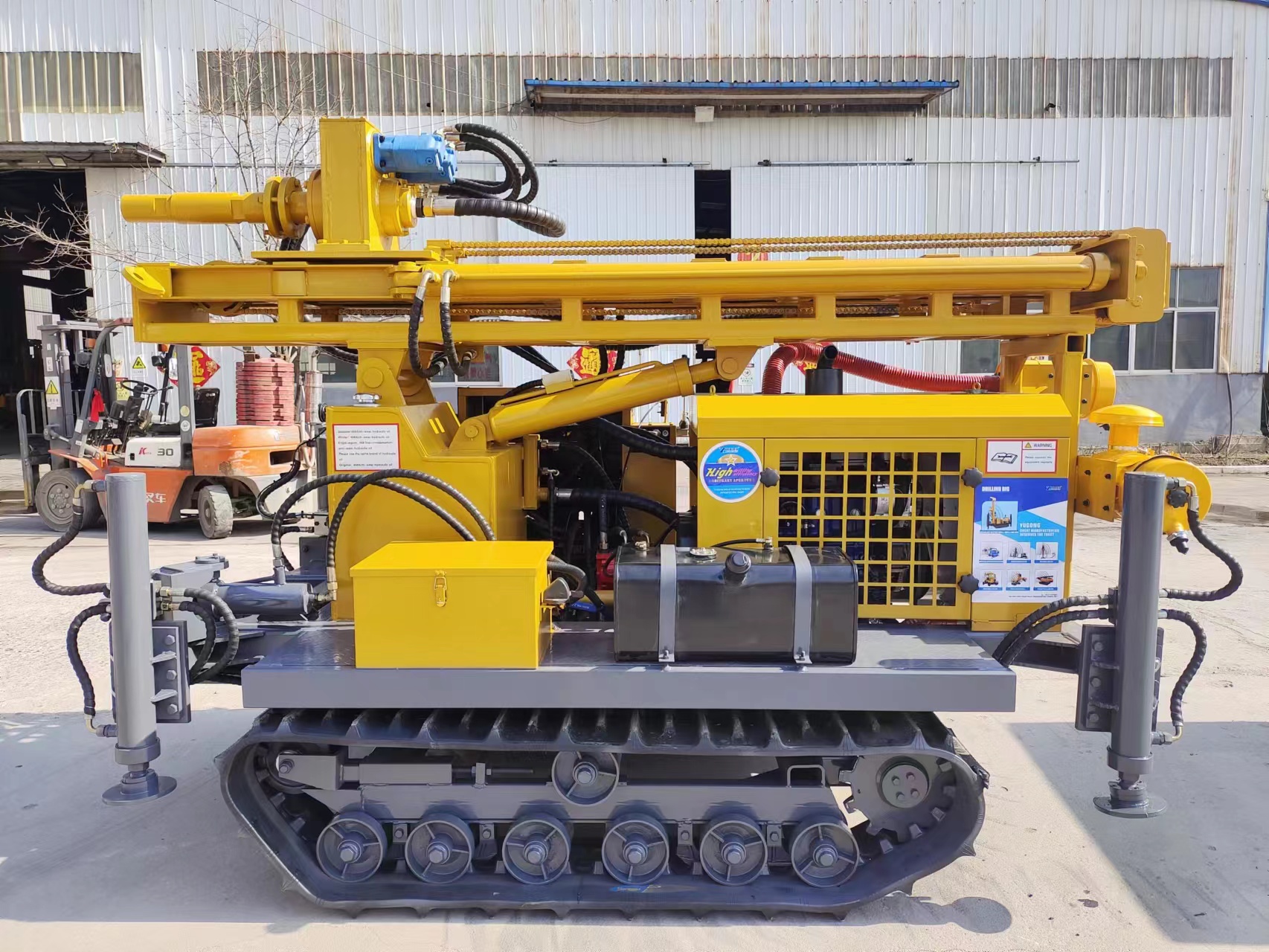
Meta description:Watch our real‑site working video of ZD‑150 water well drilling rig. Check overseas customer’s true feedback for this 150m crawler borehole drilling machine from Zeding Machinery.
We are glad to share real site‑working video and genuine feedback from our overseas customer for the ZD‑150 crawler water well drilling rig.
This ZD‑150 model is designed for maximum drilling depth 150 meters, equipped with matched mud pump, robust diesel power unit and heavy‑duty crawler chassis. It can work steadily in mountainous, rocky and muddy terrain, widely used for rural domestic water wells, farm irrigation boreholes and small water‑supply projects.
After the machine arrived at customer’s job site, our customer recorded complete operation videos for us. In the footage, you can see the ZD‑150 rig completing borehole drilling smoothly. The crawler chassis enables easy movement on rough ground. The supporting mud pump delivers powerful flushing capacity, greatly improving drilling efficiency.
A drilling rig is not a one‑time purchase; it is a long‑term partnership. Establish a preventive maintenance schedule based on the supplier’s recommendations. Maintain a minimum stock of critical spare parts – often those with the longest lead times. Consider a service agreement that covers periodic inspections and emergency repairs. Many suppliers now offer digital platforms where you can track equipment health and order parts online. Strong after‑sales support can extend your rig’s service life by years and significantly improve resale value.
Customer Testimonial
“The ZD‑150 drilling rig runs very stable on site. The crawler track makes moving between different well points easy. The supporting mud pump works perfectly for flushing cuttings. Operation is simple for our workers. We are satisfied with the drilling result.”
At Zeding Machinery, we do not only supply drilling machines. We provide complete supporting solutions including drill bits, drill pipes, mud pump and remote video technical guidance. After‑sales video support helps overseas operators quickly finish installation, commissioning and daily troubleshooting. If you are looking for reliable 150m water well drilling equipment for your local project, welcome to contact us for detailed specifications, quotation and more real‑working videos. Keywords:ZD‑150 water well drilling rig, crawler borehole rig, water well drill machine, well drilling equipment, Zeding Machinery
Leave a Reply