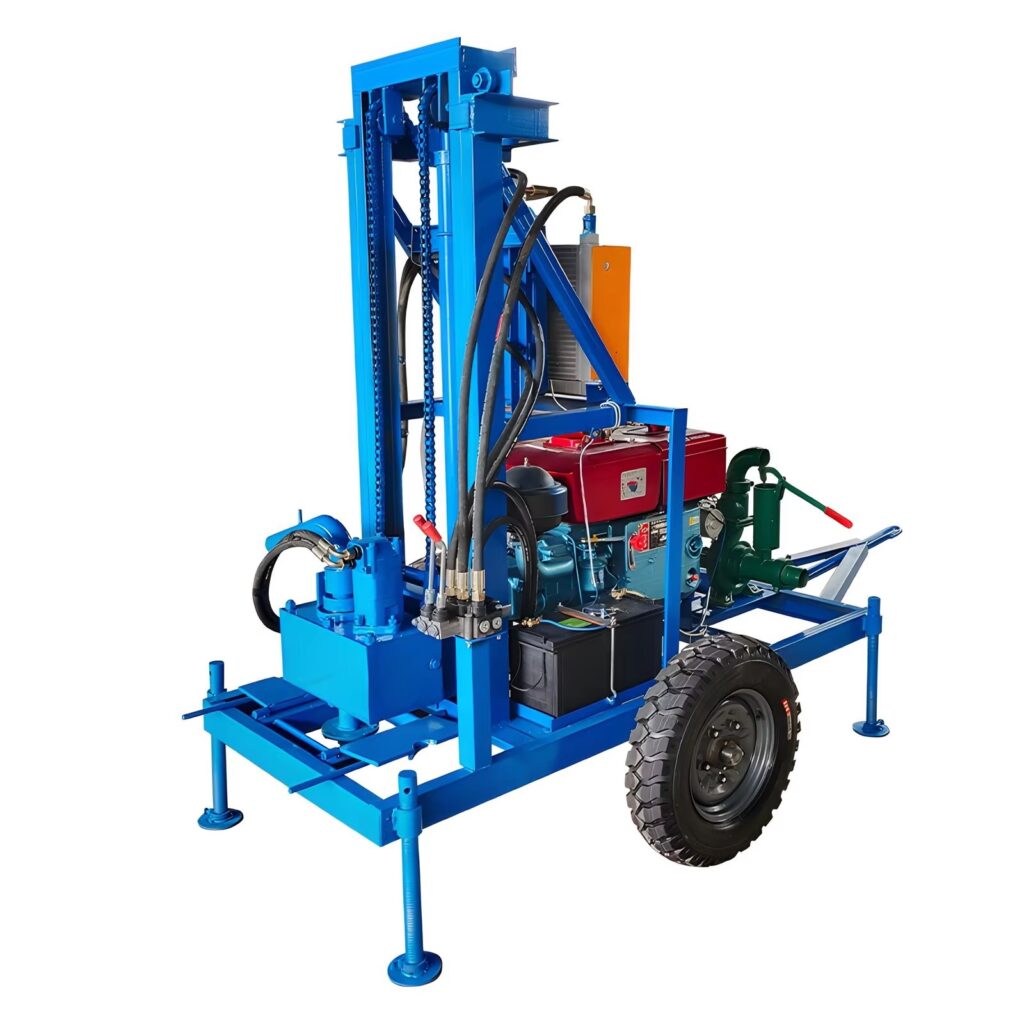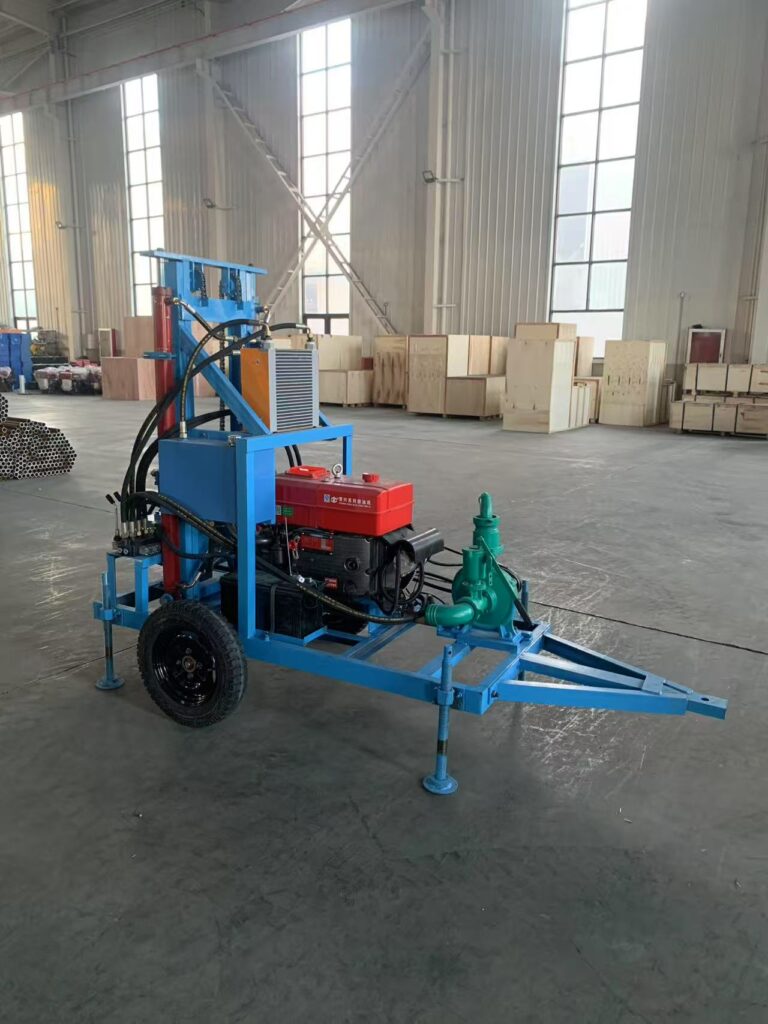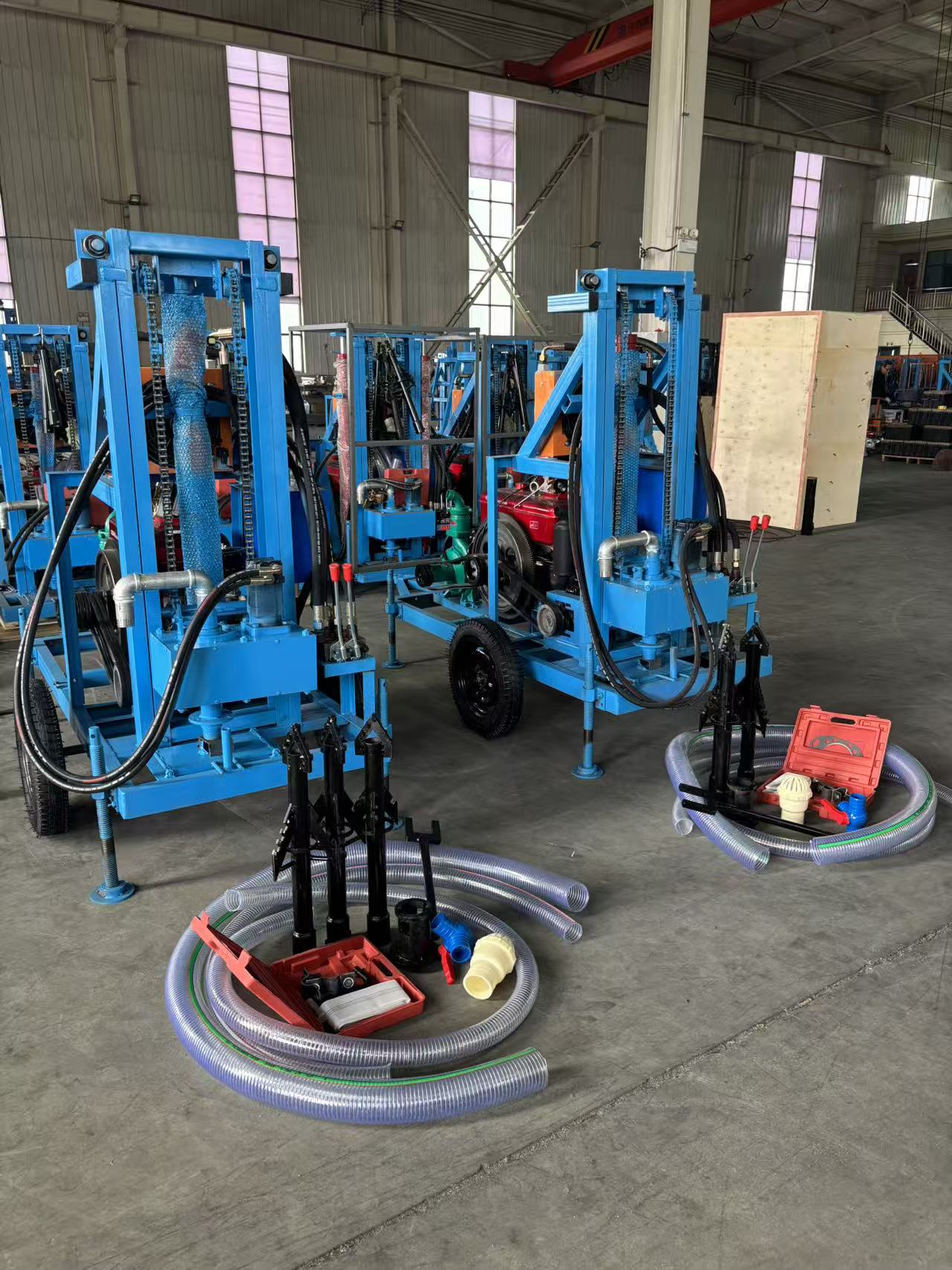
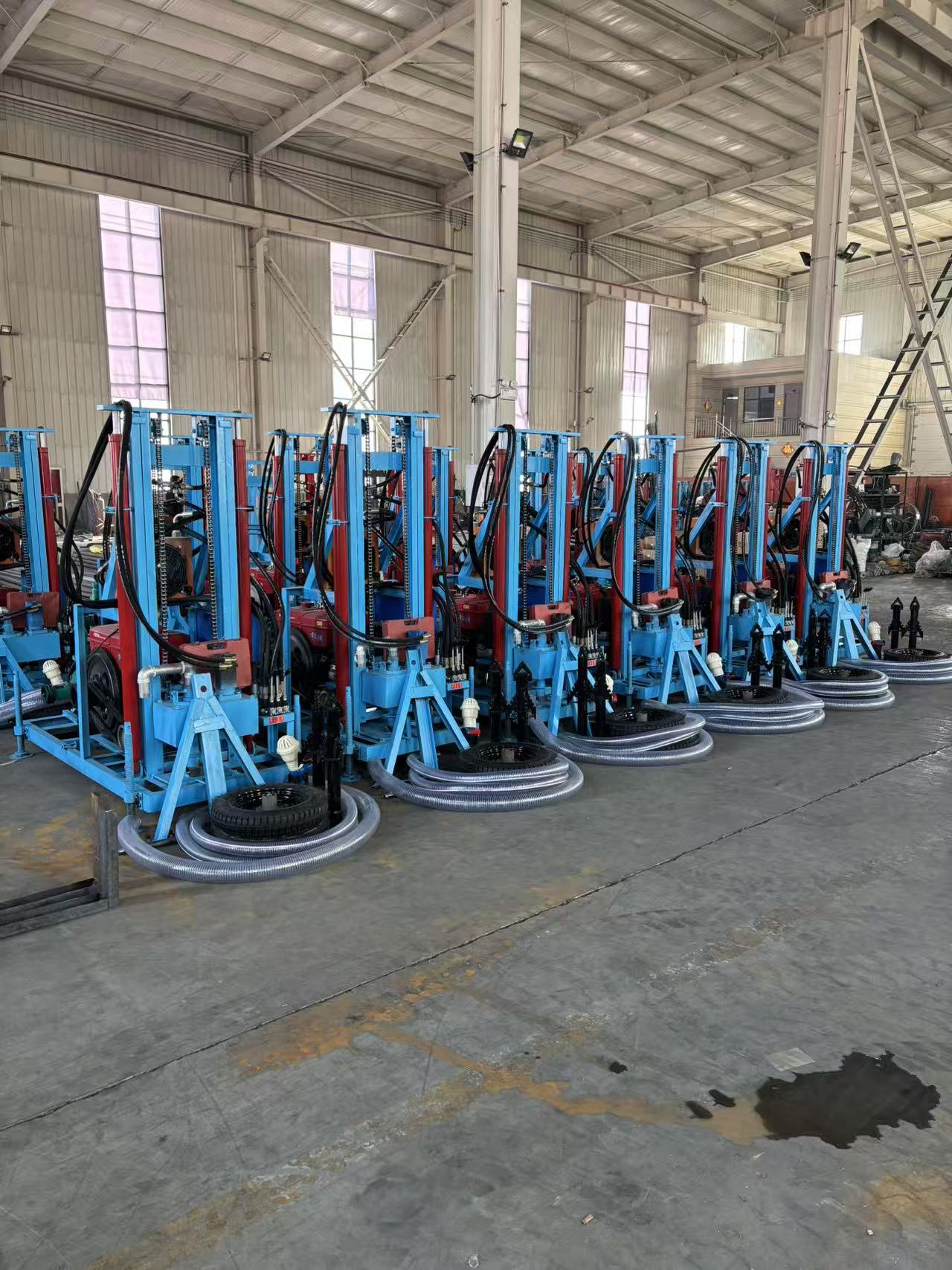
Drilling rig construction presents a unique set of challenges and risks that can significantly impact the safety of personnel and the environment. As the demand for energy resources continues to grow, it is essential to implement stringent precautions to ensure safe operations during the construction of drilling rigs. This article outlines crucial safety measures, from understanding potential hazards and ensuring proper training to adhering to equipment maintenance protocols and environmental compliance. By prioritizing safety and preparedness, companies can mitigate risks and enhance the overall efficiency of drilling operations.

Understanding the Risks of Drilling Rig Construction

Drilling rig construction is not all fun and games—it’s more like a high-stakes game of Jenga, where one wrong move could lead to disaster. Common hazards include equipment malfunctions, slips, trips, and falls, and the ever-dreaded struck-by incidents. Add in the potential for toxic substance exposure and you’re in a world where safety gear becomes your best friend. So, keep your helmets on tight!

Without this visibility, it becomes difficult to identify potential risks or opportunities for improvement.

Weather can be as unpredictable as your uncle after he’s had a few too many at family gatherings. Rain, wind, or extreme temperatures can turn a routine drilling operation into a slippery slope—literally! Environmental factors can affect everything from equipment performance to worker safety. Understanding these risks means checking weather reports more often than checking your social media feed. Be prepared, because no one wants to have a “drill” bit go awry during a storm.

Personal Protective Equipment (PPE) Requirements

When it comes to safety on the drilling rig, think of PPE as your superhero costume—minus the cape, of course! Essential gear includes hard hats, steel-toed boots, safety goggles, gloves, and high-visibility clothing. It might not be the latest fashion trend, but these items are key to keeping you safe from head to toe. So, channel your inner safety model and wear that gear like it’s the latest runway look!

Wearing safety gear is one thing, but knowing how to use it properly? That’s the real deal! All personnel should receive proper training to ensure everyone knows how to utilize their protective equipment effectively. It’s not just about looking good; it’s about staying safe. Just like there are right ways to wear a hat (no one wants a lopsided fedora), there are right ways to wear PPE. So, let’s avoid fashion faux pas in the name of safety!

Conducting a Comprehensive Site Survey

Before breaking ground like a kid on a treasure hunt, it’s essential to conduct a comprehensive site survey. Inspect the area like you’re looking for that last slice of pizza at a party. Identify everything from underground utilities to potential wildlife visitors (because you don’t want to wrestle a raccoon on your first day). A thorough site survey can help you get a handle on what to expect, so you can tackle challenges before they tackle you!

Arming yourself with knowledge is half the battle. Create a list of potential hazards, from steep slopes to nearby roads—because nothing screams “oops” like a drilling rig right next to a busy highway. Once hazards are identified, develop mitigation strategies to reduce risks. Whether it’s rerouting traffic or implementing safety barriers, having these plans in place is like packing an umbrella before heading out—a smart move!

Equipment Inspection and Maintenance Protocols

Think of equipment inspections as the dental check-ups of the drilling world—nobody really wants to do them, but everyone’s better off if they do. Establish a regular inspection schedule to ensure all equipment is in top shape. Checklists are your best friend in this regard. Marking off items will make you feel accomplished—like a “to-do” list ninja!

Just like you wouldn’t drive a car with a blinking check engine light, don’t operate drilling rigs that need maintenance. Follow best practices like lubricating moving parts, replacing worn-out equipment, and maybe even giving it a pep talk (it works for some!). Keeping everything in prime condition will not only enhance safety but might also prolong the life of your equipment—making it the reliable workhorse of your drilling operation!

A comprehensive emergency action plan (EAP) is like your drill rig’s safety blanket – comforting, necessary, and ideally located within arm’s reach. This plan should outline clear procedures for various emergencies, such as equipment failures, fires, or even a rogue raccoon infiltrating the site. Assign roles and responsibilities so everyone knows what to do when the proverbial (or literal) stuff hits the fan. It’s not just about having a plan on paper; it’s essential to communicate it well and ensure everyone understands their part in the grand performance of safety.

Now that you’ve got an EAP, it’s time to bring it to life with some drills and training sessions. Think of these as the rehearsals for your safety Broadway show. Regular drills can help your crew familiarize themselves with emergency procedures, making them feel less like deer caught in headlights when an actual situation arises. Spice things up with scenario-based training – perhaps a mock fire or a simulated equipment failure. Not only does this prepare the team, but it also builds camaraderie (nothing says bonding like a faux rescue mission

Leave a Reply

Your email address will not be published. Required fields are marked *